

Marib gas crisis enters fifth day amid accusations of black market exploitation
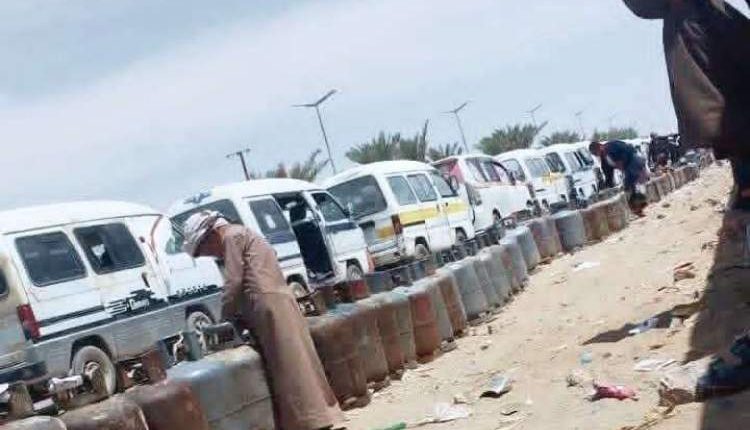
MARIB, April 24 (YPA) – In a tragic irony that reflects the scale of hardship in areas under the pro-coalition government, the city of Marib—one of Yemen’s key oil and gas-producing provinces—has entered its fifth consecutive day of an acute domestic gas crisis.
The situation has brought daily life to a standstill for thousands of families, amid direct accusations that leaders of the Islah Party are deliberately deepening the crisis for illicit financial gain.
A near-total absence of official supply and rise of “black market” outlets
Field reports from Marib paint a bleak picture, with residents confirming that domestic gas has disappeared from most official filling stations and licensed distributors. While government-designated stations meant to serve citizens are left empty, limited supplies are appearing only at restricted outlets allegedly under the control of influential actors.
According to local testimonies, these points sell gas at inflated prices, with a single household cylinder (20 liters) reaching more than 12,000 Yemeni riyals, which equals $50.29 — placing even basic household needs beyond the reach of most families.
Public anger and accusations of engineered crisis
The worsening situation has triggered widespread public anger across social media platforms, where activists and human rights observers have sharply criticized both the local authorities and the gas management institutions.
One activist summarized the prevailing sentiment by noting the irony of residents in Marib suffering severe fuel shortages while living above one of Yemen’s largest gas facilities, the Safer field.
Allegations of profit-driven crisis management
Beyond complaints, many citizens and activists are accusing influential figures within the Islah Party of deliberately perpetuating the shortage to fuel a thriving black market, generating what they describe as massive illegal profits.
Critics argued that the proximity of the Safer facility to the city makes supply shortages technically unjustifiable, raising serious questions about the absence of swift intervention. The continued crisis for five consecutive days, they say, may reflect a deeper issue of mismanagement and suspected exploitation at the expense of citizens’ livelihoods.
AA