

Foreign intelligence-linked institutions seek to shape Yemen’s tribal code of honor to serve external agendas
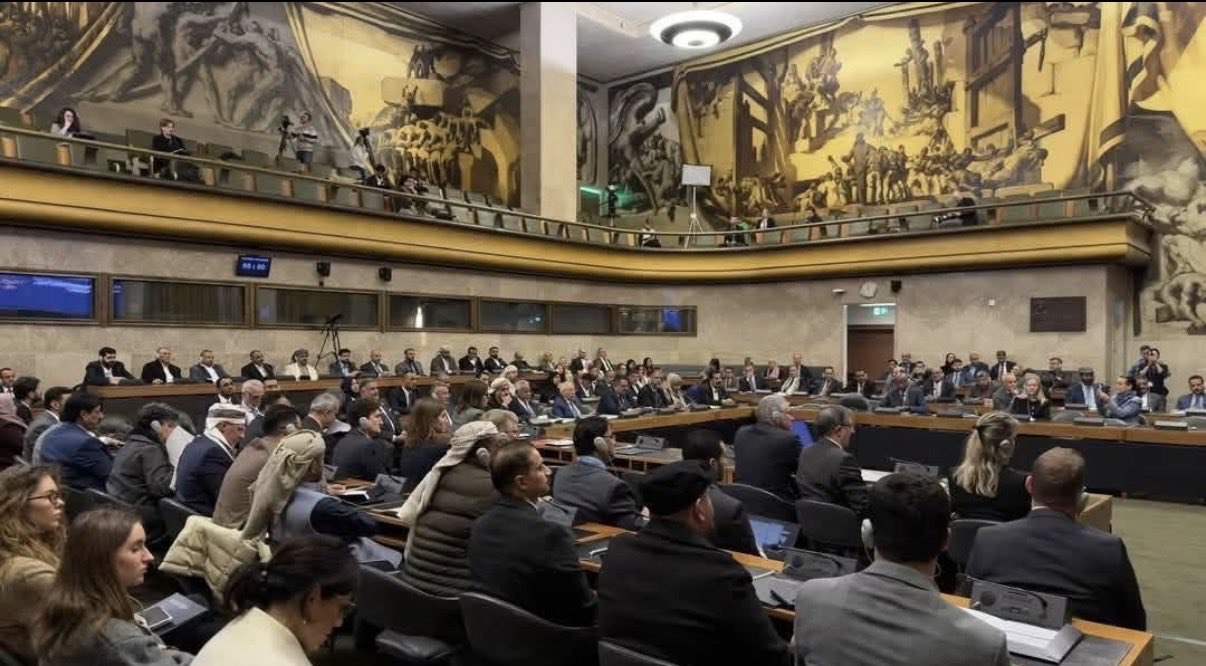
GENEVA, Oct. 30 (YPA) – Efforts are underway by international security institutions and centers affiliated with intelligence agencies to formulate a “Tribal Code of Honor” tailored to Yemeni tribes in line with external agendas and projects taking away from the authentic customs, traditions and long-established tribal values passed down through generations for thousands of years.
On Thursday, an intelligence-linked forum was held in the Swiss capital, Geneva, with a budget of $300,000, to discuss a “Tribal Code of Honor” for Yemeni tribes. The event was organized by the Geneva Centre for Security Sector Governance (DCAF) in the name of Yemeni tribal sheikhs, under the pretext of “enhancing the tribal role in supporting security and stability.” It was attended by activists and Saudi-aligned officials who, according to the report, do not represent Yemen’s tribes.
The forum, the report said, exposed the malicious conspiracies targeting Yemeni tribes, which have resisted external projects, as part of a soft war involving schemes led by international security institutions and research centers affiliated with intelligence agencies and serving the Zionist project in the region. The aim is to weaken the tribes and bring them under a framework designed by those directing the efforts behind the scenes.
The participants are pursuing these activities as part of the forum’s third edition, which had been suspended since Sanaa forces entered the broader campaign in support of the Palestinian people in the Gaza Strip in October 2023. DCAF has also organized workshops and conferences in Geneva, Germany and the Netherlands as part of what the report describes as a covert-war strategy aimed at dismantling Yemen’s tribal structure and stripping it of its national role in opposing foreign aggression.
These efforts have been promoted under appealing slogans such as “involving Yemeni tribes in peacebuilding,” while, according to the report, seeking to end their historical role and legacy of resisting invaders and occupiers. It cited the Roman campaign, which it said was defeated at the walls of the Kingdom of Sheba in 25 BC.
The report said these moves are intended to circumvent the sacrifices made by members of Yemen’s tribes throughout the 12 years of war against Yemen. During that period, the tribes formed the first and strongest line of defense on various fronts.
It described Yemen’s tribal structure as a source of concern for international coalitions, which it said the tribes helped defeat through unity and their response to the revolutionary and political leadership.
It added that these developments had prompted what it called soft-power actors operating through such centers to organize the forum and draft the “Tribal Code of Honor” in intelligence-linked meetings, with the aim of neutralizing Yemen’s tribes and stripping them of any defensive role in protecting the country, its land and its people.
The report further alleged that attempts to target tribal unity stem from the influence the tribes have exerted on the ground, creating equations that have shifted the balance of confrontations involving Sanaa forces. It said this influence has been supported by popular backing, including the provision of fighters to the fronts and the organization of tribal rallies and armed mobilizations as part of the general mobilization campaign.
According to the report, more than one million tribal members have taken part in mobilization courses under the “Al-Aqsa Flood” campaign.
The forum was held amid a Saudi military statement threatening to target tribal gatherings and mobilizations in Yemen. The report described this as an apparent attempt to pressure the popular and tribal support base and deprive it of its weapons and positions.
It said Saudi Arabia subsequently deleted the statement and denied issuing the threat following a firm response from Sanaa forces through their spokesman, Yahya Saree. Saree warned that any reckless action against members of Yemen’s tribes would not go unanswered, adding that if Saudi Arabia carried out the threat, the consequences would be catastrophic and unexpected, and Sanaa forces would resort to major options they had not wanted to pursue if the tribes were targeted.
The report concluded that the activities of foreign security research institutions and centers to formulate a “Tribal Code of Honor” behind closed doors and under Western intelligence supervision are, in its view, merely tools to impose a framework on Yemen’s tribes and divert them from their deeply rooted national and historical role.
It said all such conspiracies had been defeated by the awareness and authenticity of Yemen’s tribes, which, it stressed, would remain committed to their ancestral traditions and customs and pass them down from generation to generation.