

STC accused of blocking displaced Yemenis from entering Aden
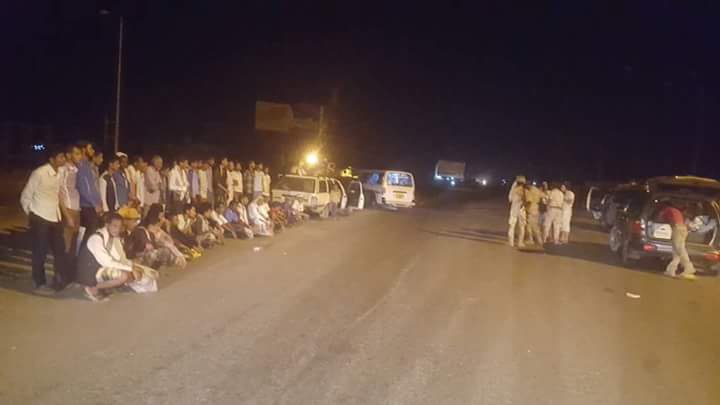
ADEN, Oct. 13 (YPA) – As families and individuals flee Yemen’s western coast and Taiz provinces for the southern city of Aden, authorities affiliated with the Southern Transitional Council (STC) have launched a campaign to prevent displaced people from entering the city, where control is shared between Saudi-backed authorities and UAE-aligned STC factions.
Human rights sources reported that STC-affiliated authorities had barred dozens of travelers from entering Aden through the city’s northern gateway.
The restrictions come amid a wider incitement campaign by STC-affiliated activists, who claim that the arrival of displaced people from northern regions could alter Aden’s demographic makeup. The campaign has also fueled allegations that some of those arriving are “Houthi cells.”
Sources said recent developments in Taiz province and along Yemen’s western coast have worsened conditions for displaced people.
They described a parallel dispute between Saudi-aligned forces and their UAE-aligned counterparts over whether to receive displaced people in southern governorates.
In recent weeks, particularly following Sanaa forces’ reported advances along the western coast and across much of Taiz Governorate, UAE-aligned factions—including the Giants Brigades and the STC—have reportedly adopted hostile attitudes toward military deserters and displaced people. Some of those fleeing are being held in the Ras al-Ara area near the administrative boundary between Taiz and Lahj governorates in southern Yemen.
According to sources, the displaced are facing harsh living conditions amid an unwelcoming response from UAE-aligned factions.
Although Sanaa forces announced a presidential amnesty for prisoners from Taiz and the western coast, sources said misleading political mobilization had prompted many members of the Islah Party and supporters of Tariq Saleh, a nephew of the former president Ali Abdullah Saleh, to flee toward Aden. Their departure has coincided with displacement caused directly by the war.
However, human rights activists said those who left for political reasons had found that conditions in Aden might be no better than those in the areas they had fled.
@@