
Hadramout governor calls on citizens to withdraw their sons from Saudi-run camps
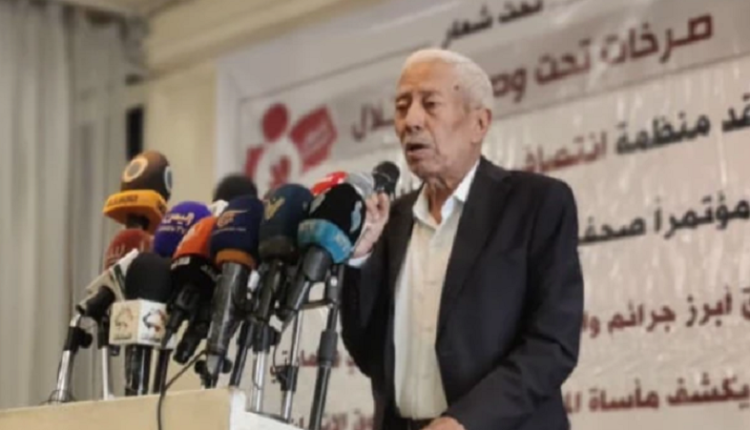
HADRAMOUT, Aug. 19 (YPA) – Hadramout governor on Wednesday called on citizens to withdraw their sons from all camps affiliated with Saudi Arabia and not to send them into death traps serving the U.S.-Israeli agenda in the region.
The governor, Luqman Baras, made the remarks during a press conference held in Sanaa by the Entesaf Organization for Women and Children’s Rights to highlight the plight of civilians and alleged human rights violations in areas under Saudi control.
Baras said violations and crimes against residents of Yemen’s southern and eastern governorates have increased in recent months.
He expressed surprise at Saudi and allied forces committing abuses against residents of those governorates, including by Yemenis carrying out foreign agendas.
The conference highlighted alleged war crimes and crimes against humanity in Yemen’s southern and eastern provinces, which the organizers attributed to Saudi and allied forces with direct U.S., British and Israeli support.
It said thousands of civilians, including children, women, activists and others calling for an end to foreign influence had allegedly been subjected to abductions and enforced disappearance and held in nearly 30 secret prisons across Aden, Mahra, Shabwa, Hadramout and Socotra.
The conference also presented accounts of victims of killings, arrests, abductions and enforced disappearances, while highlighting deteriorating basic services in those areas, including electricity shortages, water disruptions and a severe domestic-gas crisis.
It stressed the need to determine the fate of all abductees and forcibly disappeared persons, return them to their families, and bring those responsible for violations and crimes against civilians before competent international and domestic courts.
The conference said the violations had extended to constitutional rights, including the rights to health, education and life. It also accused Saudi Arabia of recruiting thousands of extremist elements and spending nearly 100 billion Saudi riyals to undermine the social fabric of the affected areas, alongside insecurity, systematic deprivation, exploitation of natural resources, and the seizure of oil and other revenues.
It called for the protection of women and children and for ensuring access to basic necessities, security, justice and opportunities for a safer and more dignified future.