

Aden between the scorching heat and a flood of rage; will citizens’ suffering topple the Saudi-backed government?

ADEN, June 10 (YPA) – The city of Aden, along with the southern and eastern governorates under the control of the Saudi-backed government, is witnessing one of the worst service and humanitarian crises in years.
A near-total collapse of the electricity service, combined with an unprecedented rise in temperatures, has driven thousands of citizens to seek any open space outside their homes, which have effectively turned into sealed ovens.
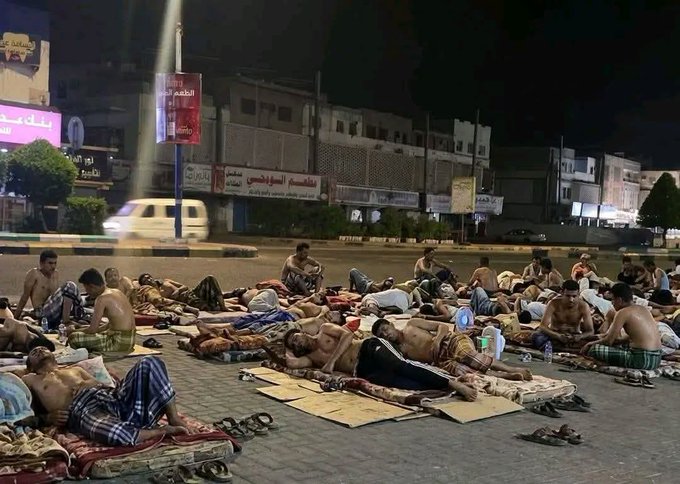
With power outages exceeding 16 to 20 hours a day in some areas, residents of Aden are no longer facing a mere fleeting service crisis. Instead, they are enduring a harsh humanitarian reality that threatens their lives and health on a daily basis, particularly as a wave of intense heat and high humidity continues to batter the coastal city.
The Streets: A Haven for the Poor
In scenes now repeated nightly, sidewalks, public parks, and beaches are packed with entire families fleeing the suffocating heat of their homes. Children, women, and the elderly can be seen sitting on the ground in a desperate bid to catch a breath of air to alleviate the suffering of long hours in darkness without cooling systems.
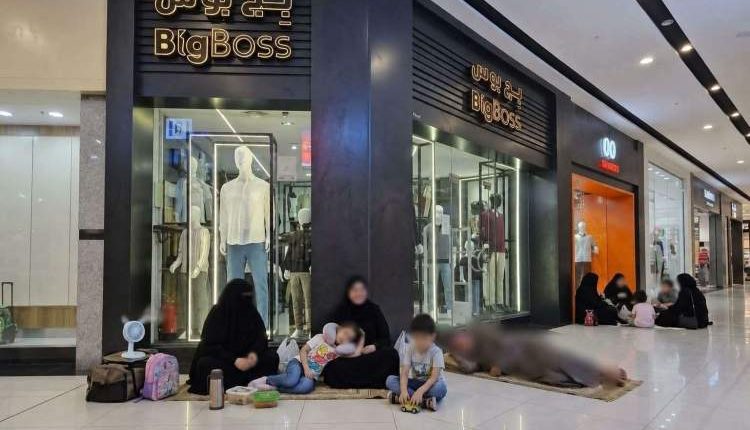
Activists have also circulated poignant images of families seeking refuge inside air-conditioned shopping malls—not for the luxury of shopping or entertainment, but simply to find temporary shelter from the extreme heat. The phenomenon encapsulates the sheer scale of deterioration in the city’s living conditions and basic services.
A Crisis Expanding Beyond Electricity
The power crisis has severely impacted all aspects of life. Hospitals and healthcare facilities in Aden and the southern and eastern regions of Yemen are facing mounting difficulties in operating medical equipment, intensive care units, and dialysis centers, sparking fears over the worsening health of patients.
Furthermore, the repercussions have crippled the water sector due to the shutdown of numerous electricity-dependent water pumps. This has compounded the plight of residents, who now face overlapping crises in electricity, water, and other essential services.
Residential neighborhoods in Aden and elsewhere have recorded cases of fainting and heat exhaustion among citizens, particularly the elderly and those with chronic illnesses, amid rising concerns over the spread of heat-related diseases in the absence of proper sanitary conditions.
Escalating Public Anger
In stark contrast to this tragic reality, public discontent on the streets is rising alongside the continued deterioration of services and the economy. This comes amid mutual accusations of corruption and mismanagement among factions of the Saudi-backed government, while ordinary citizens remain the hardest hit by these consecutive crises.

Observers note that the prolonged power outages, the decline of basic services, the economic collapse, and the devaluation of the local currency are intensifying public resentment, fueling anger toward the authorities responsible for managing public utilities.
Three Killed and Wounded by Authorities’ Fire in Aden and Sayoun
In developments on Tuesday, three protesters were killed or wounded by Saudi-backed forces during angry public demonstrations demanding improved electricity and denouncing the deterioration of basic services in the cities of Aden and Sayoun over the past few hours.

Consistent human rights and local sources confirmed that these forces moved to disperse the protest demonstrations in Aden and Sayoun, leading to two deaths and leaving a third critically injured, alongside a sweeping arrest campaign targeting protest participants.
Sources reported that a young man, Nasim Abdullah Ali Jahour, died yesterday in Aden from a severe head injury sustained during his participation in a demonstration demanding electricity at the Dar Sad roundabout.
In a related context, a young man named Munaf Saleh Basubain Al-Sayari was killed, and his brother, Hamid, was severely wounded on Monday evening in the city of Sayoun by Saudi-backed “Emergency” forces. Local sources stated that the two brothers were subjected to direct live fire while demonstrations were being dispersed in central Sayoun, noting that the injured Hamid was transferred to an intensive care unit at a local hospital in critical condition.
Additionally, “Emergency” forces in Sayoun launched a widespread campaign of raids and detentions inside residential neighborhoods and city alleys, using armored vehicles and military patrols to round up dozens of protesters denouncing the collapse of the power grid—an action met with widespread public condemnation.
Widespread Debate Over the Future of Electricity
Coinciding with the current crisis, political and economic circles are circulating reports regarding plans to restructure the electricity sector and reduce government subsidies as part of proposed economic reforms. These steps are generating widespread public anxiety over an increased cost of living amidst already deteriorated economic conditions.
Well-informed sources in Aden revealed early this June that the Saudi-backed Shayea Al-Zindani’s “government” is moving toward implementing a new economic disaster against the people in southern and eastern Yemen in the coming days. The sources confirmed that, within the framework of its understandings with the International Monetary Fund (IMF), the government has agreed to implement measures to privatize the electricity sector by gradually phasing out electricity service subsidies until they are completely abolished.
The sources explained that the Saudi-backed government could receive a $1 billion loan from the IMF on the condition that this agreement is executed.
Economic experts stress that any reforms or changes to the electricity sector must be preceded by genuine efforts to rectify existing imbalances, enhance transparency, combat corruption, and improve production and distribution efficiency to ensure that citizens are not burdened with additional costs.
Is a Public Explosion Approaching?
As the scope of suffering expands and frustration grows among citizens, attention turns toward potential public reactions in the coming period. The escalating resentment on the streets, alongside mounting demands for improved services and accountability for those responsible for the current decline, reflects the magnitude of the crisis gripping the southern and eastern governorates.
Between the blistering summer heat, dark homes, and collapsed basic services, citizens in Aden and the southern and eastern regions of Yemen remain trapped in successive crises, waiting for genuine solutions to end years of suffering. Meanwhile, questions remain wide open regarding the ability of authorities—deeply mired in corruption, mismanagement of resources, and compromises to national sovereignty—to contain the growing public anger before it transforms into a flood of rage heralding an unprecedented popular revolution.
With public tension escalating and voices calling for accountability and change growing louder, a question echoes strongly across the streets of Aden: Has the accumulated anger finally become capable of bringing down the final cards of failure and corruption, or will the suffering of citizens remain hostage to deferred promises and delayed solutions?
Between the hell of the heat, the power outages, and the dead-end living conditions, Aden stands today at a critical turning point where human suffering meets public anger, painting a picture that foreshadows shifts that may transcend the limits of a service crisis to something far greater: a flood of rage and an unprecedented popular revolution.
YPA