

How war with Iran exposed an existential gap in American deterrence?
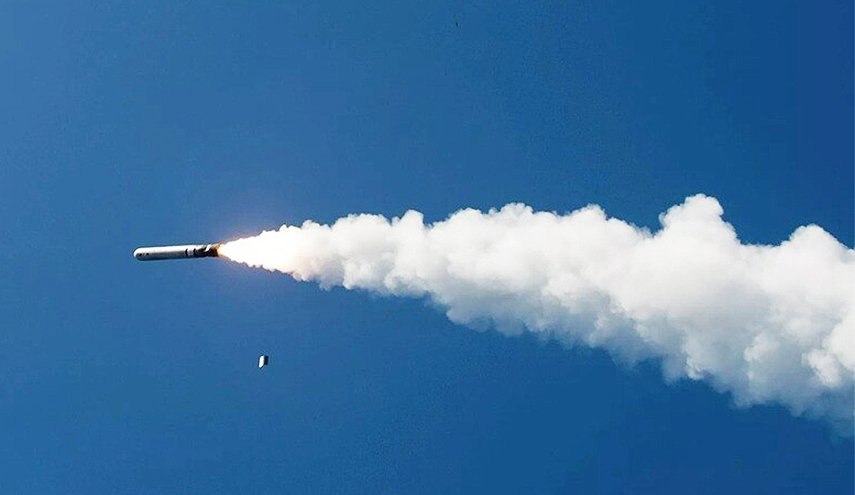
SANAA, April 28 (YPA) – The recent escalation between the United States and Iran is being described by analysts as more than a short-term confrontation, evolving instead into a prolonged “test of attrition” that exposed vulnerabilities in U.S. deterrence capabilities.
Strikes on Military Infrastructure
According to reporting cited by NBC, Iranian attacks reportedly extended beyond personnel targets to impact key elements of U.S. military infrastructure across the region. Facilities in Kuwait, the UAE, Saudi Arabia, Jordan, and Qatar, as well as the headquarters of the Fifth Fleet in Bahrain, were among those affected.
The reported consequences include disruptions to logistical operations due to damage to runways and ammunition depots, reduced command-and-control effectiveness linked to radar and communications systems, and significant material losses estimated in the billions of dollars, including advanced military platforms.
Pressure on Precision Munitions Stockpiles
Analyses attributed to defense studies and regional media suggested that sustained operations have placed considerable strain on U.S. precision-guided munitions inventories, including missile defense and strike systems such as Patriot, THAAD, Tomahawk, and SM-series interceptors.
This depletion is seen as reducing operational flexibility, shifting what has traditionally been a technological advantage into a logistical constraint, particularly in scenarios requiring rapid or sustained precision strikes.
Production Constraints and Strategic Gaps
Defense industry assessments indicate that replenishing advanced stockpiles could require years, with production scaling for some systems taking up to several years. This lag is viewed as creating a “time gap” in which adversaries may perceive reduced deterrence capacity.
Some strategic analyses, including reports referenced by CNN, argued that current inventory levels may be insufficient for simultaneous high-intensity contingencies involving major powers.
Strategic Implications
Overall, the developments are interpreted by some analysts as highlighting structural constraints in U.S. global military posture. Rather than a conventional battlefield outcome, the confrontation is increasingly framed as revealing the limits of sustained deterrence under conditions of extended attrition warfare.