

Between extension, escalation; Washington backs down, Tehran proves its options
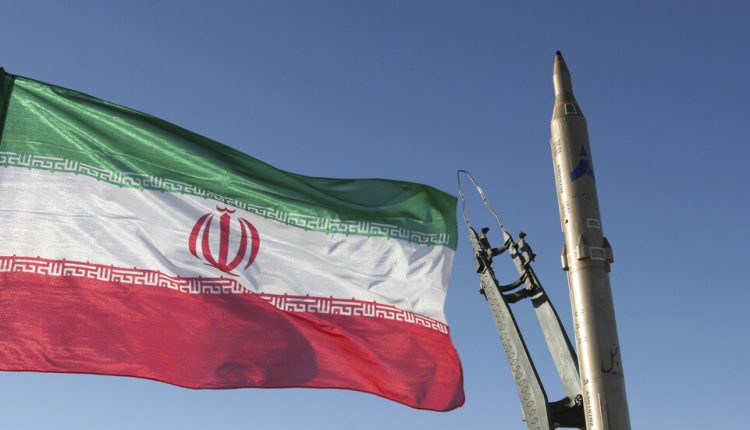
SANAA, April 22 (YPA) – Although US President Donald Trump initially stated he would not extend the ceasefire agreement with Iran, he reversed his position and announced its extension.
Meanwhile, Iran showed no change in its stance regarding the negotiations and continued to adhere to its political and security options, including the issue of the Strait of Hormuz.
There were also indications that Tehran was moving towards a tit-for-tat escalation at sea, targeting and seizing ships, as part of its declared policy of “reciprocity.”
This extension, given Tehran’s unchanged position, suggests the limited options available to Washington in managing the escalation. This led the US to maintain the temporary de-escalation rather than slide into open confrontation.
Had the US administration possessed the ability to impose more decisive escalation strategies, it would have pursued different options on the ground instead of extending the ceasefire at this time.
Observers believe that Iran’s refusal to negotiate with the United States is a political victory in itself, reflecting its ability to maintain its position and refuse to make concessions under pressure.
According to observers, Tehran’s refusal to go to the negotiating table at this stage reflects Iranian confidence in its ability to manage the current balances and impose its conditions in any potential negotiation process, which makes the decision to postpone or refuse part of political calculations related to the existing balance of power.
YPA