
Pakistan stipulates non-disarmament of resistance for participation in international Gaza force
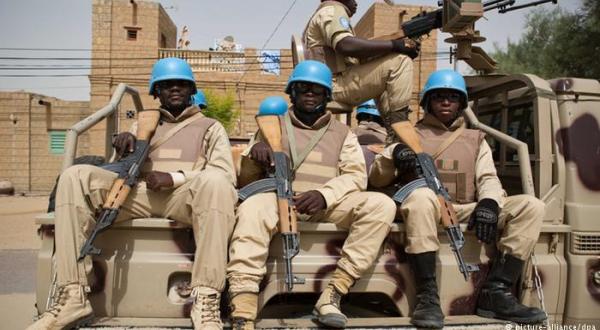
OCCUPIED PALESTINE, Feb. 18 (YPA) – Pakistani political sources revealed that Islamabad informed Washington of its initial readiness to participate with troops in the proposed international stabilization force in the Gaza Strip, but stipulated that the mission be solely for peacekeeping, with a firm rejection of any role related to disarming the Palestinian resistance.
According to Reuters, citing a source close to Pakistani Prime Minister Shehbaz Sharif, Pakistani forces “can only be part of a peacekeeping mission,” emphasizing that participation in operations such as disarming Hamas is out of the question.
The Pakistani position comes ahead of Sharif’s participation in the inaugural meeting of the “Peace Council,” announced by US President Donald Trump in Washington, with delegations from about 20 countries in attendance.
The multi-billion dollar Gaza reconstruction plan is expected to be presented at the meeting, along with details of establishing an internationally mandated stabilization force to manage the transitional phase in the Strip.
Three government sources indicated that Sharif is seeking clear answers during his visit regarding the objectives of the international force, the entity that will oversee it, and the chain of command before making a final decision on sending troops.
The 20-point US plan includes the formation of a force from Islamic countries to oversee reconstruction and economic recovery in Gaza, while Washington is pressuring Islamabad to join, given the Pakistani army’s experience in international operations and counterinsurgency.
A source said that Pakistan is capable of sending thousands of troops at any time, but first needs to define precisely the nature of the required role.
Sharif is likely to hold a bilateral meeting with Trump on the sidelines of the meeting or the following day at the White House, whereas the announcement of the “Peace Council” has sparked international controversy between supporters who see it as a new framework for conflict management and opponents who warn that it could undermine the role of the United Nations and entrench a unilateral approach to managing international crises.