

Saudi Arabia signals next phase in southern and eastern Yemen
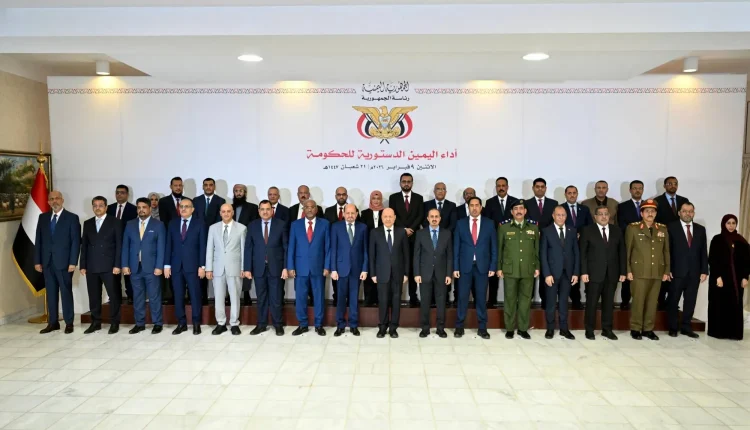
RIYADH, Feb. 09 (YPA) – Signals coming from Riyadh reveal key features of the next phase in southern and eastern Yemen, areas that have fallen under Saudi control.
The current situation—marked by economic collapse, currency depreciation, and soaring prices—offers little prospect of meaningful improvement in the period ahead.
Observers say that the allocation of government posts, combined with the Southern Transitional Council’s renewed assertiveness, leaves little reason for optimism that the grip of armed groups in southern and eastern Yemen can be broken—this time seemingly with a Saudi green light.
The government led by Shaye’ Al-Zindani is unlikely to enjoy greater political autonomy or independence than previous administrations formed under Saudi-led coalition oversight.
Recent signals from Riyadh offer no indication that Saudi Arabia has a new strategy for managing southern and eastern Yemen, distinct from its previous arrangement with the UAE, observers say.
Saudi Arabia appears increasingly wary of any steps that might lend the Aden-based government even a symbolic veneer of independence. The decision to hold the constitutional oath for Al-Zindani’s government in Riyadh, rather than Aden, carries far-reaching implications for both the government’s legitimacy and Yemen’s political future.
Analysts note that preventing the government from taking the oath in Aden underscores how Riyadh manages the territories under its control. If Saudi Arabia cannot even ensure the government can convene in Aden, questions arise about what it has truly achieved in consolidating authority over southern and eastern Yemen. Control over security is not a minor matter; it signals potential prolonged clashes with UAE-backed factions—seen by some observers as a return to the conflicts that preceded the UAE’s sidelining in Yemen by Saudi Arabia on December 30.
Some observers warn that Saudi Arabia’s failure to establish full control over Aden could allow UAE-backed factions to regain influence over the city’s political dynamics. Considered a temporary capital by coalition forces, Aden may remain trapped in the same stalemate, with little improvement in residents’ living conditions. Meanwhile, the long-standing pretext of “conflict among political factions” could once again be invoked to justify ongoing economic and political hardships.
@E.Y.M