

Limited reopening of Rafah crossing offers lifeline to Gaza’s wounded
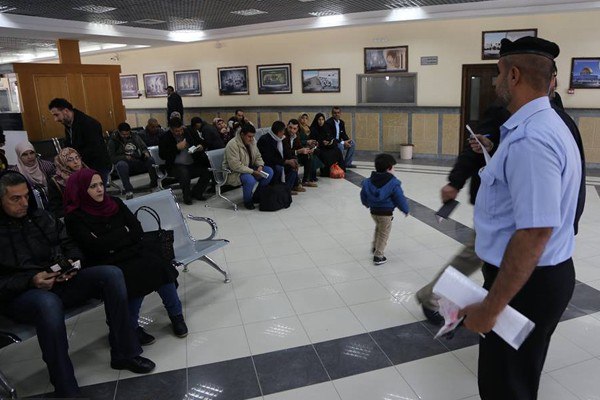
GAZA, Feb. 08 (YPA) – The movement of individuals through the Rafah border crossing between the Gaza Strip and the Arab Republic of Egypt resumed on Monday in both directions, albeit on a limited basis and under stringent security restrictions.
The decision followed a period of heightened field tensions and Israeli violations that resulted in the killing of Palestinians in the Strip, triggering widespread condemnation from the European Union and several Arab and Islamic countries.
The development came after the Israeli occupation army announced on Sunday that it had completed the establishment of a screening and inspection corridor, dubbed “Regavim,” to be operated by Israeli security agencies in an area under full military control. Travelers’ identities will be verified in accordance with pre-approved lists.
The Coordinator of Government Activities in the Territories (COGAT) stated that Sunday’s opening of the crossing constituted a trial phase, implemented in coordination with the European Union mission and Egyptian authorities.
He added that the return of those who departed during the war would require coordination with Egypt and prior Israeli security approval, with the European mission responsible for conducting initial screenings of passengers.
In response, Hamas spokesperson Hazem Qassem warned that the imposition of any Israeli conditions on the operation of the crossing constitutes a violation of the ceasefire agreement, urging mediators and guarantor states to closely monitor Israeli actions and prevent further breaches.
From a medical perspective, the reopening of the crossing is viewed as a critical lifeline for evacuating the wounded and chronically ill for treatment abroad, amid the near-total collapse of Gaza’s healthcare system.
UNRWA media adviser Adnan Abu Hasna said the World Health Organization would oversee medical evacuations, noting that local health facilities are no longer capable of providing adequate care. However, Israeli estimates indicated that the crossing’s capacity would be limited to approximately 150 people per day, while around 22,000 wounded and sick Palestinians urgently require travel for treatment—suggesting that evacuations could take nearly five months at the current rate. The situation is further compounded by the urgent need for the daily entry of at least 600 humanitarian aid trucks.
On the ground, Israeli forces continued to violate the ceasefire agreement. A Palestinian was killed in a drone strike northwest of Rafah, while Israeli forces demolished residential buildings in the al-Tuffah neighborhood east of Gaza City. According to Gaza’s Ministry of Health, the death toll since October 7, 2023, has risen to 71,795 killed, with 171,551 wounded, including 523 fatalities resulting from ceasefire violations.
Diplomatically, eight Arab and Islamic countries condemned the violations in a joint statement, describing them as a dangerous escalation that threatens the political process and undermines stabilization efforts.
The European Union likewise renewed its call for adherence to international humanitarian law, denouncing the repeated violations that continue to obstruct prospects for sustainable peace in the region.
AA