

“Mahra Elite”: New UAE-backed proxy to suppress locals and enforce foreign projects
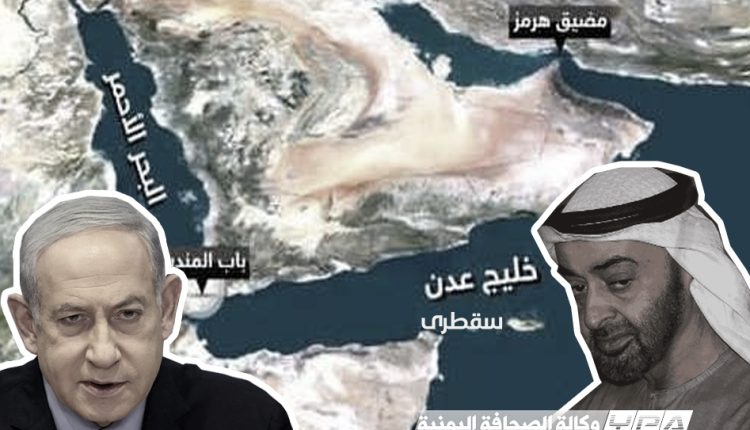
MAHRA, Dec. 20 (YPA) – The UAE is moving to establish new armed factions in Al-Mahra governorate, a step that heightens regional competition for influence with Saudi Arabia, dating back to the start of the Yemen war in March 2015, a local source familiar with the matter revealed on Saturday.
The UAE’s efforts aim to consolidate control over strategic coastal areas in southern and eastern Yemen, in service of US and Israeli agendas in the region.
The source said that the UAE command at Al-Rayyan Airport in Mukalla, the capital of Hadramout, instructed commanders of UAE-backed forces in Mahra, along the border with Oman, to form the first batch of “Mahra Elite” factions. The fisrt batch is expected to include approximately 10,000 recruits, under the pretext of enhancing security in the governorate.
The move to establish UAE-funded “Mahra Elite” factions comes at the request of Southern Transitional Council (STC) leader Rajeh Bakrit, former governor of Mahra, following increased local calls for the withdrawal of forces from Dhale and Lahj that seized Al-Ghaydah military camps and coastal areas, including Qishn and Nishtun ports, after advancing into Wadi Hadramout in early December.
Last week, Al-Ghaydah Airport became the focus of a power struggle between UAE- and Saudi-backed forces. It was agreed that UAE-backed STC factions would control the western gate and main entrances of the airport, while Saudi-backed “Dera Al-Watan” forces would be confined to other airport facilities.
The agreement did not address the status of US and British military installations within the airport, which has been closed to civilian flights since Saudi Arabia converted it into a joint military base with foreign forces at the end of 2017.
These developments move come in response to Saudi demands for the withdrawal of UAE-backed forces from Wadi Hadramout and Mahra, amid escalating tensions in Al-Abr near the Yemen–Saudi border. The STC leaders have refused to pull out with the approval of four UAE-backed members of the Presidential Leadership Council, including Tareq Afash, without informing Rashad al-Alimi, the head of the council, who has deported from Aden to Riyadh.
Mahra governorate, with its coastline along the Arabian Sea, represents a strategically pivotal point in regional influence calculations. For decades, Saudi Arabia has sought to extend a crude oil pipeline from the Kharakhir field through Yemeni territory in Mahra to the Arabian Sea, bypassing the Strait of Hormuz. Saudi ambitions face strong local tribal opposition, suggesting that the proposed UAE-backed factions are intended to suppress any resistance to foreign projects in the governorate.
@E.Y.M